
Large expanses of glass create bright, inviting commercial spaces, but they also introduce challenges that affect comfort, energy performance, privacy, and long-term building maintenance. Excessive heat, glare, fading interiors, and outdated window appearances can impact occupants and visitors while increasing operating costs. Many architects, designers, and project managers assume replacing existing glass is the only answer, even when the windows remain structurally sound.
Window film offers a value-engineered alternative that improves the performance and appearance of existing glass without the expense and disruption of full window replacement. Whether you are planning a renovation for an office, healthcare facility, hotel, educational building, or another commercial property in Florida, understanding how window film works can help you make informed project decisions. Below are answers to the questions we hear most often before a project begins.
Ready to improve your building without replacing your glass? Schedule a consultation and let us evaluate your project.
Window film is a professionally installed layer applied directly to existing glass to improve its performance, appearance, or both. Depending on the project goals, window film can reduce solar heat, minimize glare, increase privacy, enhance decorative features, or improve the overall comfort of interior spaces.
Instead of replacing functional windows during a renovation, many building owners choose window film because it delivers meaningful improvements while preserving the existing glazing system.
This value-engineered approach helps organizations achieve measurable improvements with less disruption and greater savings than full window replacement.
Window film works across a wide variety of commercial environments.
Common applications include:
Every project begins with an assessment because each building has different performance goals, and architectural considerations.
Commercial buildings often experience similar challenges regardless of industry.
Window film may help address concerns such as:
Identifying your primary objective helps us recommend the window film that best supports your renovation goals.
Durability remains one of the first questions we receive from architects and project managers.
Commercial window film is designed to perform in demanding environments when professionally installed and properly maintained. Daily exposure to sunlight, temperature changes, and regular cleaning requires products that maintain both appearance and performance over time.
We evaluate each project’s location, glass type, building orientation, and environmental conditions before recommending a specific window film. This process helps ensure long-term performance that aligns with your building’s operational needs.
Many commercial renovations must occur while businesses remain open.
Window film installation typically causes far less disruption than replacing existing windows, since the original glazing remains in place. This avoids many of the activities associated with demolition and glass replacement.
We coordinate installation schedules around your operational requirements whenever possible, allowing offices, healthcare facilities, hospitality properties, and other commercial buildings to continue serving occupants throughout much of the project.
Reducing operational disruption remains an important consideration throughout every installation.
Want to know whether your building is a good candidate? Schedule a consultation and speak with our team about your project.

The answer depends on your project objectives.
If existing windows remain structurally sound, window film often provides a practical alternative to replacement by improving performance without removing the existing glazing. For many renovation projects, this results in substantial savings while reducing construction time.
If the windows have structural issues or other deficiencies, replacement may still be necessary. Our evaluation helps determine which approach best supports your building and budget.
Replacing commercial windows often requires significant labor, new materials, extended scheduling, and disruption to occupied spaces.
Window film offers a value-engineered option that avoids many of those expenses by improving existing windows rather than replacing them. While every project differs, building owners frequently realize meaningful savings by preserving functional glass instead of installing entirely new window assemblies.
Beyond installation costs, many organizations also value the potential operational benefits of improved comfort and reduced solar heat gain.
Most commercial buildings contain multiple glass types, making compatibility an important part of project planning.
Before recommending any product, we evaluate the existing glazing, window configuration, building orientation, and project objectives. This assessment helps determine which window film is appropriate for the application and supports long-term performance.
Selecting the proper product for the specific glass type remains essential to every successful installation.
Yes. Window film serves both functional and aesthetic purposes.
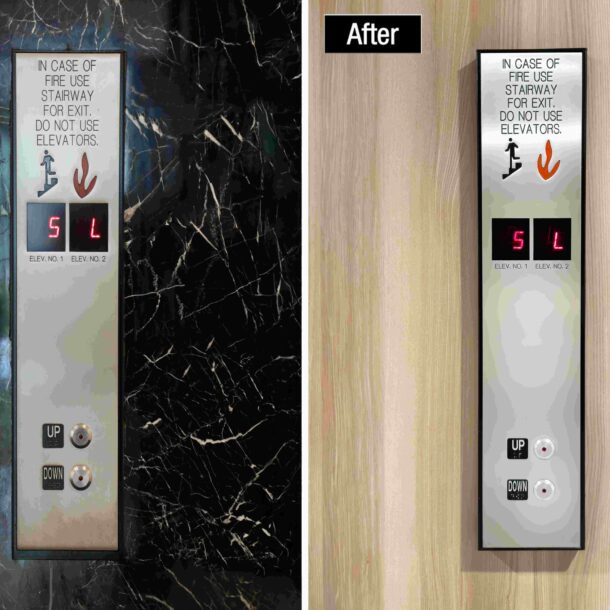
Many architects and designers use decorative and specialty films to enhance privacy, reinforce branding, define interior spaces, or modernize existing glass without replacing it. Decorative window film lets design teams introduce visual interest while maintaining natural light throughout the building.
For renovation projects, this creates opportunities to refresh commercial interiors without extensive construction.
Introducing window film earlier in the conversation gives your project team more opportunities to evaluate alternatives.
Including window film during design development allows architects, designers, contractors, and owners to compare replacement costs with performance improvements that preserve existing glass.
Early planning can also support:
Considering window film early often helps identify opportunities that may otherwise go unnoticed.
Every commercial building presents different challenges.
We begin by discussing your goals, whether they involve reducing glare, improving privacy, enhancing aesthetics, increasing occupant comfort, or supporting a broader renovation. We then evaluate your existing windows and recommend products that align with your building’s needs.
Our recommendations focus on practical performance rather than one-size-fits-all products. If another approach better serves your project, we explain those options clearly so your team can make informed decisions.
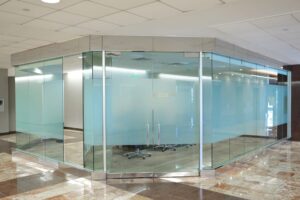
3M Commercial Privacy Frosted Glass Film – One Orlando Center
Modern window film products are available in a variety of performance levels. We help select products that balance daylight, comfort, and appearance based on your project goals.
Yes. Many commercial buildings remain operational during installation because existing windows stay in place.
No. Decorative and privacy films are often installed on interior glass, creating functional and attractive spaces throughout commercial buildings.
Architects and designers often appreciate the flexibility, value-engineered approach, installation efficiency, and savings compared to replacing functional windows during a renovation.
Choosing the right approach for commercial windows should begin with clear information. Understanding how window film performs, when it provides the greatest value, and how it fits within your renovation strategy allows your team to make confident decisions before construction begins.
We work with architects, designers, and project managers throughout Florida to evaluate existing glass and identify opportunities to improve building performance, occupant comfort, and aesthetics without unnecessary replacement. Every recommendation reflects your project’s schedule, design priorities, and long-term goals.
Upgrade Your Windows today, and let us show you how professionally installed window film can improve performance, reduce renovation costs, and create lasting value for your commercial property.