
January 27, 2026
Why Choose Hospitality Resurfacing Over Traditional Renovation in Orlando?
Resurfacing gives properties a faster, more budget‑friendly way to update interiors. Rather than gutting spaces, resurfacing upgrades visible surfaces so you get a modern look without a full construction project.
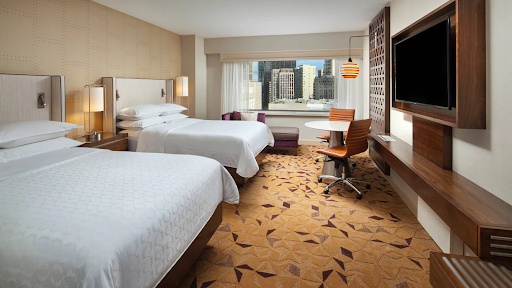
Seeing how extensive a traditional renovation can be makes it easier to appreciate the efficiency of resurfacing solutions.
What Are the Cost Savings and Efficiency Benefits of Resurfacing?
Resurfacing can cut renovation costs significantly, often by roughly 30-50% compared with traditional methods, because it uses fewer materials and less labor. Projects also move faster, which reduces operational disruption and helps protect revenue during the upgrade.
How Does Resurfacing Minimize Downtime for Hospitality Businesses?
A major advantage of resurfacing is reduced downtime. Many resurfacing jobs finish in a matter of days to about one week, so hotels and restaurants can keep serving guests. Engineered Group routinely executes quick turnarounds that let properties reopen promptly with a refreshed appearance.
What Specialized Resurfacing Services Does Engineered Group Offer for Orlando Hospitality?
Engineered Group provides tailored resurfacing services designed for hospitality environments. Key offerings include:
Together, these services let you update every visible surface with minimal disruption and a consistent, high‑quality finish.
How Are Commercial Doors Resurfaced for Hotels and Restaurants?
Door resurfacing typically uses high‑performance coatings or architectural films applied to existing doors. These materials restore the door’s look, add scratch and stain resistance, and extend service life, a cost‑effective option compared with full door replacement. Engineered Group specifies materials that balance appearance and durability for high‑use environments.
What Are the Advantages of Elevator Cab Wraps and Renovations?
Elevator cab wraps provide a high‑impact update without major construction. Available in a wide range of patterns and finishes, wraps let you align elevator interiors with your brand while using materials designed to withstand heavy traffic and frequent cleaning.
How Do Wall and Ceiling Resurfacing Solutions Enhance Orlando Restaurants?
Updating walls and ceilings changes a dining room’s mood and makes daily upkeep easier. Thoughtful surface selection improves light reflection and acoustics, creating a brighter, more comfortable dining experience that’s simpler to maintain.
Which Durable Materials Are Best for High-Traffic Hospitality Areas?
For high‑traffic zones, materials like Koroseal and Reatec are dependable choices. They offer strong abrasion and stain resistance and are easy to clean, ideal for restaurants and busy hotel corridors.
How Do Resurfaced Ceilings Improve Dining Ambiance and Maintenance?
Resurfaced ceilings can enhance lighting distribution and acoustic performance, making spaces feel brighter and more welcoming. They’re also easier to clean and repair, which lowers long‑term maintenance costs for restaurant operators.
What Are the Features and Benefits of 3M Di-Noc Architectural Finishes for Hospitality?
3M Di‑Noc architectural finishes are a versatile, cost‑effective option for updating many interior surfaces. Available in an extensive range of patterns and textures, they let you achieve premium looks without the price or downtime of traditional finishes.
What Patterns and Textures Are Available for Hospitality Interiors?
3M Di‑Noc comes in numerous options, realistic wood grains, stone looks, metallics, and solid colors, so you can match a design direction without the weight and cost of real materials.
Choosing the right colors, materials, and finishes (CMF) is a strategic decision: it shapes both how a space feels and how it performs.
CMF Design for Hospitality Interior Upgrades
CMF, Colors, Materials, and Finishes, is a design method that aligns a product or space’s look and feel with functional and emotional brand goals. Since the 1980s CMF has linked product design and interior practice, helping designers translate material choices into cohesive brand and user experiences.
The CMF design approach engaging the contemporary interior design practice. The interdisciplinary perspective of branding strategy, marketing and sensorial user …, 2019
How Is the Installation Process Managed to Ensure Quality and Speed?
Installation for 3M Di‑Noc and similar systems follows a streamlined workflow led by certified technicians. Proven surface preparation and application techniques ensure fast, high‑quality results while minimizing disruption to daily operations.
How Does Engineered Group Provide Value as Orlando’s Trusted Hospitality Resurfacing Partner?
Engineered Group is a local partner focused on reliable results and client satisfaction. We combine practical scheduling, proven materials, and hands‑on experience to deliver resurfacing projects that meet both aesthetic and operational goals.
What Local Expertise and Quality Materials Differentiate Their Services?
With deep experience in Orlando’s hospitality market, Engineered Group knows how to specify materials that hold up to heavy use and meet regional operational needs. We work with trusted manufacturers to ensure durable, attractive finishes.
How Does Their Project Process Ensure Seamless Execution?
Our project process, from consultation through completion, emphasizes clear communication, realistic schedules, and quality control, so expectations are met and timelines are respected.
What Are Common Questions About Hospitality Resurfacing in Orlando?
Below are answers to the questions we hear most often about costs, timing, and long‑term performance.
What Is the Typical Cost and Project Timeline for Hospitality Resurfacing?
Costs vary by project scope, but resurfacing typically requires a substantially smaller investment than a full renovation. Most jobs are completed in a few days up to two weeks, depending on scale and complexity.
How Durable and Sustainable Are Architectural Films in Hospitality Settings?
Architectural films installed by experienced teams are built for durability and sustainability. They resist wear in high‑traffic areas and reduce material waste compared with full replacements, making them a practical, long‑lasting choice.
Frequently Asked Questions
Nearly any visible interior surface can be resurfaced: walls, ceilings, doors, elevator interiors, countertops, and some furniture. Each surface benefits from specific materials and techniques chosen to improve durability and appearance while fitting the flow of guest areas.
Project duration depends on scope and site conditions, but most resurfacing work can be completed in a few days to two weeks. That fast turnaround is a core advantage of resurfacing versus traditional renovation.
Maintenance is usually minimal when high‑quality materials are used. Routine cleaning with recommended products keeps surfaces looking new; periodic inspections help catch any minor wear early so it can be addressed before it becomes a larger issue.
Yes. Resurfaced ceilings and walls can improve light reflection, reducing the need for extra fixtures. Selecting energy‑efficient materials and finishes can also support better thermal performance and lower ongoing energy costs.
Resurfacing typically generates less waste than full replacement, uses fewer raw materials, and extends the life of existing substrates. Many modern films and coatings are designed for long service life, which reduces the frequency of future replacements.
Look for a provider with hospitality experience, strong project references, and clear pricing and timelines. Ask about material warranties, installation standards, and how they handle scheduling to minimize guest impact. A reliable partner will offer tailored solutions and transparent communication throughout the project.