💡 Why Door Resurfacing Is Dominating 2025 Design Trends
Replacing hundreds of interior doors in a commercial facility is expensive, disruptive, and environmentally taxing. In 2025, architects and property managers are rethinking their approach, favoring door resurfacing and refinishing solutions that preserve the existing structure while applying cutting-edge design films and coatings.
Key reasons for this shift include:
According to the U.S. Environmental Protection Agency (EPA), using low-emission coatings and finishes can drastically reduce indoor air pollutants and improve occupant health (source: EPA.gov ).
Sustainable Door Finishes: The Future of Commercial Design
Modern sustainable door finishes are engineered to perform as beautifully as they look. 2025 is seeing emerging innovations designed for commercial, hospitality, and healthcare environments.
1. Low‑VOC Architectural Coatings
These finishes use significantly fewer volatile organic compounds, ensuring healthier air quality while meeting LEED compliance standards. They come in matte, satin, and high-gloss options that mimic wood, stone, and metal textures.
2. Eco‑Friendly Door Coatings and Films
High-performance vinyl and door wrap films for renovation now use recyclable or bio-based content. They resist wear, impact, and UV discoloration, ideal for high-traffic spaces like corridors or elevator cabs.
3. Fire‑Rated and Anti‑Microbial Films
2025’s fire-rated door film options combine safety with sustainability. New-generation coatings integrate antimicrobial protection, perfect for healthcare facilities where hygiene and compliance are top priorities.
4. Architectural Finishes for Elevator and Door Cabs
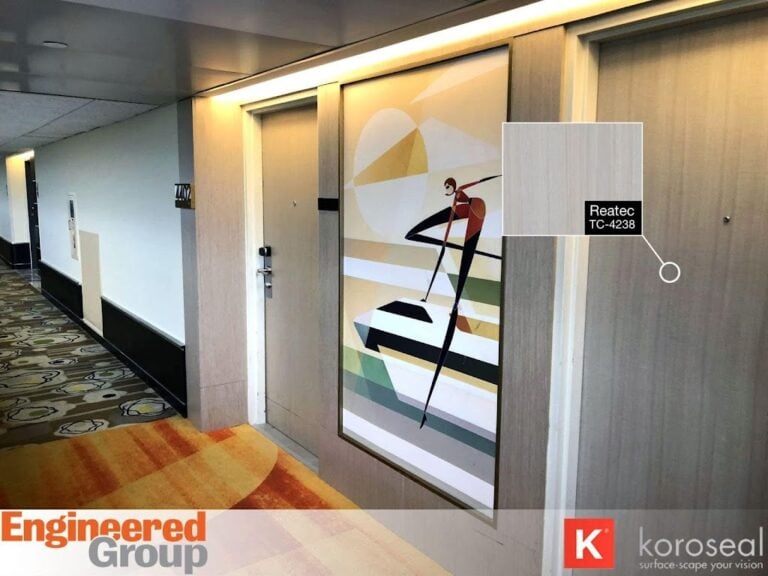
Matching finishes across door and cab panels creates cohesive interior branding. Architectural resurfacing films make this uniformity achievable without the logistical challenges of full replacement.
How to Resurface a Commercial Door Step-by-Step
Commercial door resurfacing is a precise, multi-step process that can often be completed onsite with minimal disruption:
This process typically takes 1-2 hours per door, compared to several days for full replacement.
Cost Comparison: Door Upgrade vs. Replacement
Result: Door resurfacing delivers up to 70% cost savings and significantly lower carbon impact.
Natural Aesthetic Revival
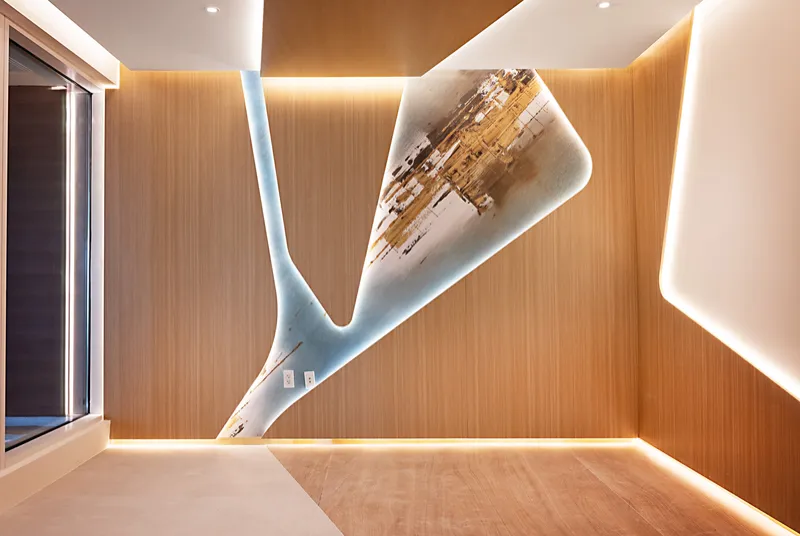
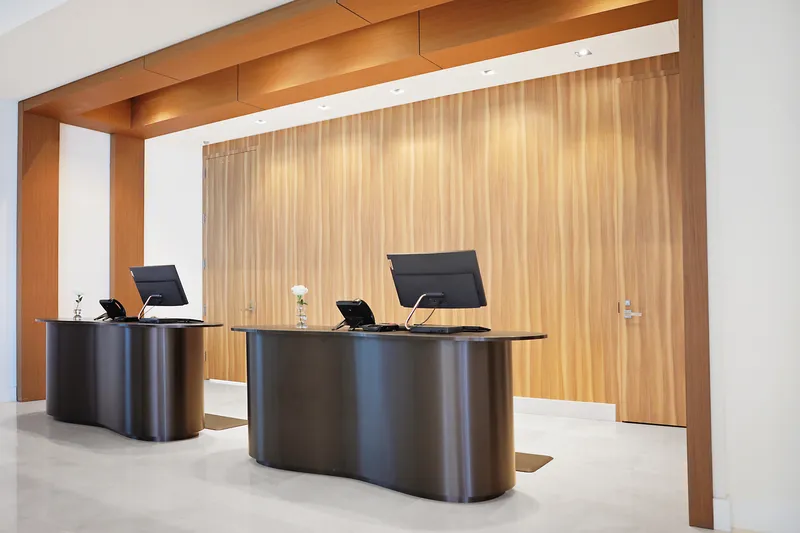
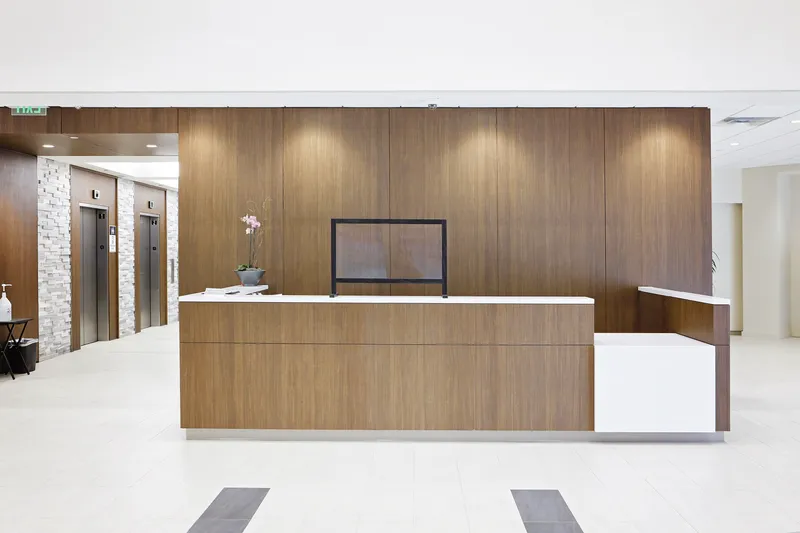
Designers favor warm woods and organic textures using architectural door finishes that capture the look of natural materials without relying on real timber.
Monochromatic and Metallic Palettes
Metallic laminates in bronze, pewter, and champagne tones bring sleek sophistication to corporate and hospitality interiors.
Smart-Coating Technology
Advanced eco-friendly door coatings now incorporate self-healing layers that resist scratches and fingerprints, an ideal solution for high-touch surfaces.
Biophilic and Wellness-Centered Design
Health-focused interiors use calm, nature-inspired hues paired with low-VOC materials that align with green building initiatives.
Where These Finishes Shine
Engineered Group: Proven Door Refinishing Expertise
For over 25 years, Engineered Group has partnered with architects, contractors, and property owners nationwide to deliver architectural resurfacing and door refinishing projects on time and on budget. Our proven track record includes work with leading hotel brands, universities, and healthcare networks seeking performance-driven and sustainable renovation solutions.
Clients consistently commend our attention to detail, project cleanliness, and ability to deliver premium finishes without disrupting operations. We are certified installers of Class A fire-rated materials and authorized applicators for top architectural film manufacturers, ensuring both beauty and compliance.
Transform Your Space Sustainably
Door resurfacing represents the intersection of design innovation and environmental stewardship. As 2025 ushers in a new era of sustainable commercial interiors, partnering with an experienced provider ensures both compliance and creativity.
Ready to revitalize your doors sustainably? Contact Engineered Group today for a free consultation or quote on your commercial door refinishing project.
AI Overview
Door resurfacing is revolutionizing 2025 commercial interiors by combining sustainability, speed, and style. Instead of replacing doors, businesses now use eco-friendly, low-VOC coatings and architectural films to achieve modern aesthetics at a fraction of the cost. This process reduces landfill waste, supports LEED compliance, and takes just hours per door. Engineered Group leads the industry with certified fire-rated materials and 25+ years of refinishing expertise, helping offices, hotels, and healthcare spaces revitalize their interiors responsibly.
FAQs: 2025 Door Resurfacing Insights
Q1: How long does a resurfaced door last? Properly installed finish films and coatings can last 8-10 years, depending on wear conditions and upkeep.
Q2: Can you match existing wood or metal tones? Yes, advanced architectural door finishes replicate almost any tone or texture, making them ideal for partial upgrades.
Q3: Are resurfaced doors compliant with fire codes? With certified fire-rated films and sealing methods, resurfaced doors remain compliant while maintaining visual consistency.
Q4: What makes resurfacing more sustainable than replacement? Resurfacing prevents structural waste, reduces emissions from new manufacturing, and minimizes chemical exposure from repainting.
Q5: Can door resurfacing be done while facilities are occupied?
Yes, most resurfacing projects use low-odor, quick-curing materials that allow work to be completed with minimal disruption. This makes it ideal for hospitals, offices, and hotels that need to remain operational.
Q6: What maintenance is required after resurfacing?
Resurfaced doors require only simple care, regular dusting and gentle cleaning with non-abrasive products. Harsh chemicals should be avoided to maintain the finish’s longevity and appearance.
- Sustainability: Low-VOC, recyclable films minimize indoor air pollutants (EPA.gov).
- Speed: On-site installation with minimal disruption to operations.
- Cost Efficiency: Resurfacing costs up to 60% less than replacement.
- Design Flexibility: Modern coatings replicate wood, metal, or stone textures.
- Inspect and Repair, Address scratches, dents, and delamination.
- Prime the Surface, Apply a primer for maximum adhesion.
- Apply Architectural Film/Coating, Install your selected texture or finish.
- Seal and Validate Fire Rating, Maintain compliance and durability.
- Inspect and Clean Up, Ensure uniformity and performance before turnover.
- Offices and Corporate Spaces: Refresh interior corridors and meeting room doors to project a modern, professional look.
- Hospitality: Upgrade guestroom and elevator doors without lengthy closures.
- Healthcare Facilities: Install antimicrobial, sustainable finishes that support infection control.