What does a hotel renovation contractor do?
hotel renovation contractors coordinate every aspect of a property’s interior transformation, from the initial design concept through to final installations. They assess existing furniture conditions, recommend reupholstery or replacement strategies, and source high-grade materials to align with brand standards. Within the fixtures domain, they oversee refinishing contractors to restore metal, wood, or composite elements to like-new condition, preserving architectural integrity while modernizing appearances. Simultaneously, they collaborate with glass specialists to deliver decorative glass overlays, tempered partitions, and specialty glazing, ensuring safety and visual continuity. Throughout the process, these professionals manage timelines, budgets, and subcontractor teams to minimize disruption and deliver consistent quality.
Components of Furniture Renovation in Hotels
A comprehensive hotel renovation encompasses more than repainting walls and updating lighting. One of the most visible changes guests experience lies in the furniture, where wraps, upholstery, and bespoke pieces redefine guest comfort and brand alignment. Whether refreshing sofas in the lobby or replacing headboards in guest rooms, renovation contractors apply meticulous attention to detail to every seating element, table, and storage unit. They balance aesthetics, durability, and ergonomics to meet the high-traffic demands of hospitality environments. This holistic approach ensures that furniture updates not only look contemporary but also withstand daily use and guest expectations.
Hotel Furniture Wraps
Hotel furniture wraps provide a cost-effective way to refresh worn seating and accent pieces without complete replacement. These wraps, available in a spectrum of patterns and textures, adhere securely to frames and can mimic leather, linen, or exotic woods. Because installation takes only hours compared to days for full reupholstery, properties can keep guest areas operational while upgrades occur. High-quality wraps also feature stain-resistant coatings, extending the lifespan of lounge chairs, dining seats, and ottomans. For hotels seeking a quick, visually impactful renovation, furniture wraps deliver immediate aesthetic gains with minimal downtime.
Reupholstery and Custom Upholstery
When durability and touch are paramount, reupholstery restores original furniture frames with new, premium textiles. Skilled craftsmen strip aged fabrics, repair structural elements, and apply fresh padding and covers that meet hospitality -grade standards. Custom upholstery goes a step further by tailoring designs to brand palettes and ergonomic requirements. From sound-dampening fabrics in meeting rooms to spill-resistant vinyl in poolside lounges, the right material selection enhances both functionality and guest comfort. Projects led by experienced contractors seamlessly integrate upholstery choices into the wider renovation vision.
Custom Furniture Design
For distinctive properties aiming to stand out in a competitive market, custom furniture design offers unmatched flexibility. Contractors work with interior designers and carpenters to craft headboards, side tables, and seating that reflect the hotel’s identity and spatial constraints. Materials range from sustainably harvested woods to composite panels with high-pressure laminates, enabling a balance of style and resilience. By commissioning unique pieces, hotels can create signature spaces that resonate with target demographics and encourage social media sharing. Although the initial investment is higher, custom furniture often yields long-term value through brand differentiation and guest loyalty.
Sustainable Furniture Materials
Sustainability has become a cornerstone of modern renovations, and specialized contractors prioritize eco-friendly materials in furniture projects. Options such as reclaimed wood, low-VOC finishes, and recycled metal frames reduce environmental impact while maintaining durability. These green materials often meet or exceed LEED certification requirements, helping hotels achieve sustainability goals. Contractors also leverage local suppliers to cut transportation emissions and support regional economies. Guests increasingly appreciate these responsible design choices, viewing them as a mark of a hotel’s commitment to social and environmental stewardship.
Ergonomic and ADA-Compliant Furniture
Comfort and accessibility go hand in hand in hospitality design. Expert contractors ensure that new or refurbished furniture adheres to ADA guidelines, offering appropriate seat heights, clear pathways, and supportive armrests. Ergonomic chairs and adjustable desks in business centers cater to working travelers, while crafted seating zones in public areas balance style with posture-friendly features. By prioritizing universal design principles, renovation teams make hotels more inclusive without sacrificing visual appeal. This attention to guest well-being enhances satisfaction scores and broadens market reach.
Fixture Refinishing: Preserving Heritage With Modern Techniques
Refinishing existing fixtures often offers cost savings while preserving original architectural character. Expert fixture refinishing contractors strip away aged coatings from metalwork, wood moldings, and composite panels, then apply advanced finishes that resist corrosion, scratching, and UV damage. From brass elevator doors to wooden banisters and decorative light fixtures, refinishing restores luster and prolongs life. These contractors blend traditional craftsmanship with modern spray and brush techniques, matching patinas or introducing new metallic sheens to complement updated décor. The result is a cohesive finish that marries heritage elements with fresh, contemporary styling.
The Role of Fixture Refinishing Contractors
Specialized fixture refinishing contractors bring decades of combined experience to projects, understanding the chemical and mechanical processes that yield lasting results. They evaluate substrate conditions, recommend surface preparation methods, and select coatings that adhere to hospitality traffic patterns. Whether stripping, blasting, or chemical dipping is required, these professionals ensure environmental compliance and worker safety. By coordinating with general contractors and interior designers, they sequence refinishing to align with flooring, painting, and furniture installations, preventing cross-contamination and scheduling conflicts.
Techniques in Fixture Refinishing
Modern techniques have expanded the possibilities for fixture restoration. Micro-blasting uses fine abrasives to clean delicate surfaces without damage, while powder coatings add durability to high-touch fixtures such as door handles and switch plates. Liquid metal finishes recreate the look of brushed or polished metals with enhanced softness to the touch. Advanced UV-cure coatings speed up project timelines and reduce volatile organic compound emissions, making them ideal for occupied properties. When combined with precision masking and detailing, these methods elevate every fixture from functional necessity to design highlight.
Sustainability in Fixture Refinishing
Eco-conscious hotels seek refinishing solutions that minimize waste and chemical runoff. Many contractors now offer low-emission coatings and reuse original components, keeping them out of landfills. Some techniques, like water-based finishes, dramatically cut VOCs while retaining industry-grade durability. Contractors may establish recycling programs for old fixtures or partner with local artisans to upcycle elements into bespoke décor. By integrating green practices into every refinishing project, hotels bolster their environmental credentials and reduce long-term maintenance costs.
Cost Benefits of Fixture Refinishing
Compared to complete fixture replacement, refinishing can slash costs by up to 50 percent, depending on the scale and complexity of the work. Lower material expenses, combined with reduced labor hours for demolition and installation, make refinishing an attractive value engineering strategy. Hotels can allocate savings toward other renovation areas, such as smart glass installations or custom carpentry. With warranties often matching those of new fixtures, property owners enjoy peace of mind that performance won’t be compromised for budgetary gain.
Glass Elements in Modern Hotel Renovations
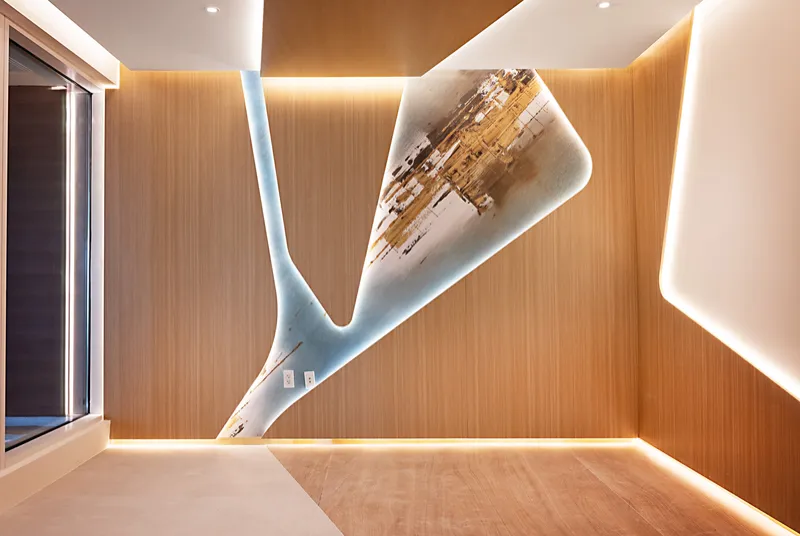
Glass has evolved far beyond simple windows and mirrors in hospitality design. Decorative glass overlays hotel walls to create backlit reception features, while tempered partitions define spaces without obstructing sightlines. Contractors manage everything from sourcing specialty tempered glass to installing laminated panels that improve privacy and acoustic performance. Intelligent glass systems switch from clear to opaque on demand, enhancing conference breakout rooms and executive suites. In each instance, precise fabrication and expert handling prevent chips, stress fractures, or alignment issues, resulting in flawless installations that stand up to high traffic.
Decorative Glass Overlays Hotel
Decorative glass overlays hotel foyers, corridors, and rooftop bars with personalized imagery, frosted patterns, or integrated LED backlighting. These overlays adhere to structural glass panels without compromising clarity or strength. They can depict branding elements, local artwork, or abstract motifs to reinforce a hotel’s narrative. Overlay films are another option for projects with tighter budgets, offering removable customization that can change seasonally or for special events. Whatever the application, contractors balance aesthetic vision with technical requirements to achieve seamless glass surface enhancements.
Safety and Performance of Glass Installations
Hospitality glass must meet rigorous safety standards set by building codes and hospitality associations. Tempered glass offers four to five times the strength of annealed glass and breaks into pebble-like fragments to reduce injury risk. Laminated glass sandwiches a PVB or resin layer between two panes, providing forced-entry resistance and sound insulation. Contractors perform load-bearing calculations for balustrades, shower enclosures, and overhead glazing to ensure compliance with foot traffic and maintenance access needs. These precise specifications prevent costly rework and safeguard guest well-being.
Advanced Glass Technologies
Innovation in glass has introduced smart and energy-efficient options that enhance guest experience and operational efficiency. Electrochromic glass tints automatically in response to sunlight, reducing glare and HVAC loads. Photovoltaic glass integrates solar cells for on-site renewable energy generation. Anti-microbial coatings inhibit the growth of bacteria on restroom partitions and shower doors, improving hygiene between cleaning cycles. Contractors partner with specialized suppliers to source these advancements and train installation teams on unique handling and power requirements.
Energy-Efficient Glass Solutions
Sustainability metrics drive many hotel renovations, and glass selection directly impacts heating and cooling demands. Low-E coatings reflect infrared radiation, keeping interiors cool in summer and insulated in winter. Double-glazed units with inert gas fills further reduce thermal transfer and noise infiltration. By optimizing U-values and solar heat gain coefficients, renovation contractors contribute to lower energy bills and higher sustainability ratings. These improvements often qualify properties for green certifications, enhancing market positioning and guest appeal.
Key Qualities of Hotel Renovation Contractors
hotel renovation contractors distinguish themselves through a unique blend of hospitality experience, technical prowess, and client-focused service. They understand how to sequence work phases so that guest services remain largely uninterrupted, applying targeted scheduling to renovate public spaces during low occupancy periods while updating guest rooms in rotation. Their team composition often includes interior architects, MEP coordinators, specialized craftsmen, and procurement specialists who source materials aligned with brand quality standards. This multidisciplinary approach ensures that every detail, from millwork tolerances to glass substrate thickness, meets the rigorous demands of luxury hospitality environments.
A key marker of top contractors is their track record of working with leading hotel brands and independent boutique properties alike. They follow stringent quality management systems and provide transparent reporting tools, such as weekly progress dashboards, to keep stakeholders informed. Certifications from the American Hotel & Lodging Educational Institute (AHLEI) or similar bodies underscore their commitment to hospitality excellence. These contractors also maintain robust safety protocols, including OSHA compliance and site-specific safety plans, which are vital in public spaces prone to high foot traffic.
Contractors who excel in furniture, fixtures, and glass renovations also invest in ongoing training for their crews. Installation techniques evolve rapidly, what worked for tempered glass a decade ago may be obsolete now in light of anti-smudge coatings or digital film products. By staying current through manufacturer workshops and industry symposiums, these professionals can recommend the latest solutions for durability and guest comfort. Their vendor relationships enable them to secure favorable lead times and priority production slots for custom glass panels or exotic wood veneers, smoothing out supply chain bottlenecks.
When selecting specialized teams
When evaluating specialized skills, property owners often turn to hotel renovation contractors with proven portfolios and client testimonials. They scrutinize completed projects for attention to brand consistency, note the integration of advanced materials, and verify post-project performance reviews. This vetting process extends to site visits, where stakeholders can observe live operations, review safety protocols, and interview on-site supervisors. A thorough selection ensures that the chosen contractor possesses not just technical capability but also the cultural fit to collaborate effectively with hotel management and design firms.
How Hotel Renovation Contractors Manage Projects Efficiently
Effective project management sets top-tier contractors apart in hotel renovations, especially when coordinating furniture, fixtures, and glass upgrades. They implement phased scheduling, breaking down total scope into unit-by-unit or floor-by-floor segments. This phasing approach allows hotels to remain operational, side-stepping full closures and preserving revenue streams. Detailed Gantt charts and milestone tracking align subcontractors, material deliveries, and inspections, reducing idle time and cost overruns.
Communication protocols further smooth project execution. Dedicated project managers facilitate daily briefings with hotel operations, housekeeping, and vendor teams to coordinate room turnovers. They establish clear escalation paths for unforeseen issues, such as damaged glass deliveries or last-minute design changes, so that decisions are made swiftly without jeopardizing the timeline. Digital collaboration platforms provide stakeholders with real-time access to progress photos, RFIs, and change order approvals, enhancing transparency and trust.
Scheduling, Phasing, and Minimal Disruption
One of the greatest challenges in hospitality renovations is maintaining guest satisfaction during construction. By concentrating noisy tasks, like furniture demolition or glass cutting, in daytime downtimes and isolating guest corridors, contractors minimize disturbance. They use sound-dampening barriers, temporary lighting solutions, and secured hoarding to separate work zones from guest areas. These methods help preserve the guest experience and protect revenue from cancellations related to renovation inconveniences.
Communication and Stakeholder Coordination
Renovation teams conduct regular coordination meetings with hotel leadership, designers, and housekeeping supervisors. These sessions address progress, upcoming milestones, and any logistical concerns, such as room reservation adjustments or special event schedules. By maintaining open dialogue, contractors can proactively manage potential conflicts, adapt to shifting occupancy levels, and ensure a cohesive effort across all departments.
Why Specialized Contractors Are Preferable to General Contractors
General contractors may excel in broad-scope construction projects, but they often lack the specialized knowledge required for hospitality interiors. Hotel renovation contractors bring deep familiarity with brand standards, whether Marriott, Hyatt, or a boutique label, and can interpret style guides down to specific textile weaves, hardware finishes, and glass etch designs. They maintain curated vendor lists, ensuring that furniture wraps come from reputable manufacturers and that fixture refinishers hold appropriate certifications.
These specialized teams understand the nuances of guest psychology and spatial flow. For example, they recognize how seating arrangements impact guest interactions in lobby lounges, or how glass partitions influence perceived openness in corridors. Their recommendations for materials and layouts reflect hospitality best practices that generalist contractors may overlook. Ultimately, specialized contractors offer a streamlined process, reduced risk, and a higher likelihood of delivering on time and within budget.
Cost Considerations in Furniture, Fixtures, and Glass Upgrades
Upgrading furniture, fixtures, and glass elements represents a significant investment for any hotel property. Contractors guide clients through a lifecycle cost analysis, comparing upfront expenses against long-term maintenance and replacement cycles. They present value-engineered options, such as selecting mid-range upholstery fabrics with high durability ratings instead of luxury textiles that require frequent replacement. This analytical approach ensures that capital expenditures translate into measurable returns over time.
Factors such as shipping lead times for custom glass panels, labor intensity for fixture refinishing, and warranty coverage for mechanical glass components all influence the final budget. Transparent proposals break down costs by material, labor, and contingency, helping decision-makers understand trade-offs. Financing options, including leasing plans for furniture and installment programs for specialty glass, further spread costs and accelerate project approval.
In many cases, property managers seek tailored financial guidance and are encouraged to contact us for a comprehensive budget breakdown, financing pathways, and ROI projections. Our team navigates local permitting, vendor negotiations, and phasing strategies to align your project scope with available capital.
Trends in Hotel Furniture, Fixtures & Glass Design
The hospitality industry continually evolves, and renovation contractors stay ahead of emerging trends to deliver fresh guest experiences. Sustainability remains a focal point, with designers selecting eco-certified fabrics and recycled metal trims. Biophilic design integrates natural materials, such as rift-cut oak or live-edge tables, with large glass panes that flood spaces with daylight. These elements foster well-being and connect guests to local ecosystems.
Technological integration has surged, with smart glass windows that adapt tint levels and interactive glass panels displaying wayfinding or concierge information. LED-embedded glass creates dynamic lighting effects in bars and lounges. On the furniture front, modular seating systems allow flexible layouts for co-working spaces, while integrated USB charging ports respond to modern traveler needs.
Some hotel designers partner with Custom Engineered Glass specialists to craft bespoke glass installations, such as curved glass reception desks or backlit glass art walls, that become visual centerpieces. These custom elements differentiate properties and deliver memorable guest interactions, driving social media engagement and word-of-mouth promotion.
Selecting the Ideal Hotel Renovation Contractor for Interiors
Choosing the right team for a furniture, fixture, and glass overhaul depends on several criteria. Begin by reviewing portfolios for projects of similar scale and style. Check references from past hospitality clients to gauge reliability and quality. Verify that contractors hold appropriate licenses, insurance, and safety certifications. Assess their in-house capabilities for design support, procurement, and post-installation service.
Vetting Process Step-by-Step
When specifying window films or decorative coatings, many teams collaborate closely with a trusted Window Film Distributor to ensure correct material selection and professional installation for UV protection, privacy, and temperature control.
Case Studies: Successful Hotel Furniture, Fixtures & Glass Projects
Boutique City Hotel Renovation
A mid-scale urban hotel chose to refresh its 120 guestrooms and lobby within a six-month window. Contractors applied high-performance furniture wraps on lobby seating, refinished brass reception fixtures, and installed frosted glass overlays depicting local street art. The project stayed on budget and achieved a 30% uplift in guest satisfaction scores within three months of reopening.
Resort Poolside Lounge Transformation
A beach resort wanted to modernize its pool bar area without full closure. Renovation teams sequenced work in off-season months, reupholstered outdoor lounge chairs in UV-resistant fabrics, refinished light fixtures with marine-grade coatings, and introduced laminated safety glass partitions around wet zones. Revenue from bar services increased by 25% following the enhancements.
Historic Hotel Heritage Restoration
A landmark heritage property needed to balance preservation with modern guest expectations. Contractors collaborated with architects to restore original wooden fixtures via micro-blasting and applied acid-etched glass panels that referenced period motifs. Custom iron fixtures were refinished to match original patinas. The successful blend of old and new won an industry design award and boosted nightly rates.
Maintenance and Longevity: Ensuring Lasting Quality
Effective renovation is only the first step; ongoing maintenance ensures that furniture, fixtures, and glass remain in pristine condition. Contractors often provide detailed care guides, outlining cleaning agents compatible with specific upholstery fabrics and finishes that protect metal surfaces from corrosion. Preventive maintenance plans include periodic inspections for seam integrity, finish wear, and glass seal degradation.
Routine Maintenance Best Practices
Long-Term Performance Warranties
Leading contractors back their services with warranties that cover material defects, finish adhesion, and glass integrity. These guarantees, often spanning three to five years, provide property managers with confidence in their investments. When paired with regular maintenance, warranties extend the usable life of renovated elements and reduce total cost of ownership over time.
Frequently Asked Questions
How long does a typical hotel furniture and fixture renovation take?
Timelines vary by scope, but phased renovations for mid-scale hotels generally take three to six months. Contractors schedule work in segments, guest rooms, lobby, meeting spaces, to keep the hotel operational and minimize revenue loss.
Can existing fixtures always be refinished instead of replaced?
Many fixtures can be restored if their structural integrity is sound. Contractor assessments evaluate substrate condition, corrosion levels, and design complexity to recommend refinishing or replacement based on cost-effectiveness and safety standards.
Are decorative glass overlays suitable for high-traffic areas?
Yes. Decorative overlays are laminated or acid-etched directly onto tempered glass, ensuring durability and scratch resistance. Maintenance protocols and protective coatings prolong visual quality in corridors and public spaces.
What’s the typical lifespan of hotel furniture wraps?
High-grade furniture wraps usually last five to seven years under normal use. Their replaceable nature makes them an ideal “refresh” solution between full upholstery cycles.
How do contractors ensure safety when installing large glass panels?
Safety begins with precise engineering calculations for load, wind, and impact resistance. Contractors then follow strict handling procedures, use specialized lifting equipment, and coordinate with structural engineers to secure glass safely.
In conclusion, hotel renovation contractors deliver an unmatched combination of design sensitivity, technical expertise, and operational acumen when handling furniture, fixtures, and glass upgrades. Their ability to blend aesthetics with durability, schedule work around guest needs, and maintain rigorous quality and safety standards sets them apart in the hospitality industry. For those seeking a partner who can bring both creative vision and precise execution, Engineered Group stands ready to transform spaces with elegance and efficiency.
- Request detailed portfolios, past project case studies, and references.
- Conduct on-site walkthroughs of completed renovations to observe craftsmanship.
- Interview key project personnel to confirm communication style and technical expertise.
- Review proposals for clarity in scope, timelines, and contingency plans.
- Confirm warranty terms and post-project maintenance services.
- Implement monthly visual inspections of high-use seating and fixtures.
- Use pH-neutral cleaning solutions on glass surfaces to avoid etch marks.
- Lubricate moving parts on sliding partitions to prevent wear.
- Address upholstery spills immediately to prevent stains.