What Architectural Finishes Are and How They Work
Architectural finishes are engineered films and laminates designed to mimic the texture and appearance of real materials, wood, metal, stone, leather, or fabric, with remarkable realism. Brands like 3M DI-NOC™, Koroseal Reatec, Belbien, and LX Benif have turned these products into an industry standard for commercial resurfacing.
The process is straightforward. Instead of removing existing surfaces, trained technicians apply the finish directly over them. Walls, casework, columns, or elevator interiors can be transformed without demolition, reducing both waste and downtime. The installation is clean, fast, and precise, the kind of craftsmanship that preserves the look of a custom renovation without the cost or mess of one.
Why Businesses Are Choosing Finishes Over Full Renovations
Every industry faces pressure to refresh its spaces faster and more affordably. In healthcare, sterile environments can’t be compromised by prolonged construction. Hotels must stay visually current while keeping rooms in service. Offices need brand-aligned interiors without halting daily operations.
Architectural finishes meet these demands through three key advantages:
Speed and Efficiency
Projects that might take weeks with traditional renovation can often be completed in a few days. Because existing surfaces remain in place, there’s no need for demolition or debris removal.
Cost Savings
Material and labor costs drop significantly, sometimes by as much as 60 percent. Businesses save not only on construction but also on lost revenue from downtime.
Sustainability
By resurfacing rather than replacing, fewer materials go to landfills. It’s a more responsible way to refresh interiors while aligning with corporate sustainability goals.
Design Without Compromise
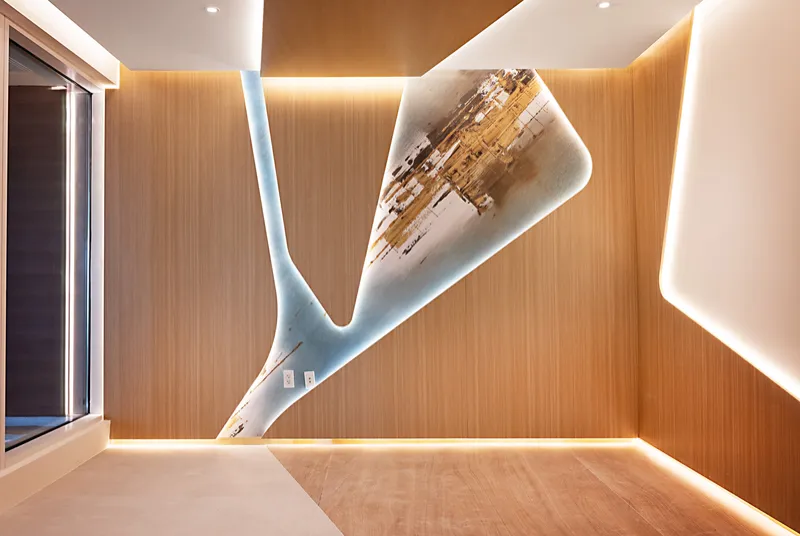
Design freedom is where architectural finishes truly shine. The range of patterns, colors, and textures rivals that of natural materials, and new technology continues to expand the options.
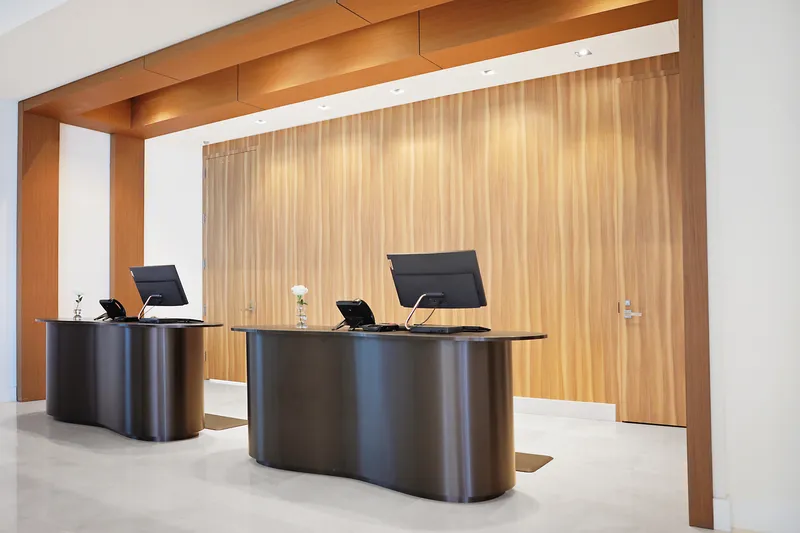
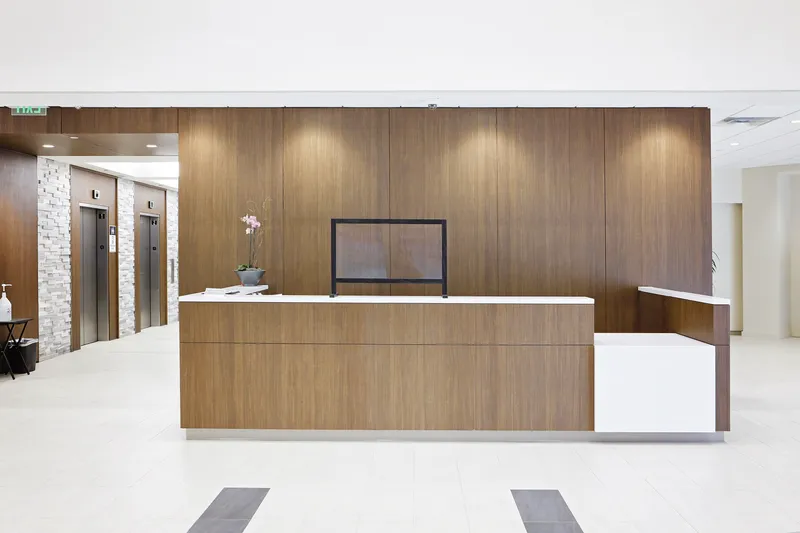
A dated elevator can take on the sleek look of brushed stainless steel. A plain reception desk can be wrapped in rich walnut texture. Ceiling panels can mimic stone or metallic surfaces for a dramatic effect. These materials are also highly durable, fire-rated, and easy to clean, critical for high-traffic environments such as hospitals and hotels.
For architects and designers, that means flexibility. They can specify finishes that meet both creative and technical requirements without sacrificing schedule or budget.
Where They Deliver the Most Value
Architectural finishes aren’t limited to a single type of space. They’re reshaping how a wide range of industries approach design updates:
The Future of Interior Transformation
The shift toward resurfacing over renovation isn’t a trend; it’s a practical evolution. As budgets tighten and sustainability targets grow stronger, architectural finishes provide a proven way to extend the life of interiors while keeping them visually relevant.
At Engineered Group, we believe every surface has potential. Our team helps clients reimagine interiors with precision and creativity, delivering stunning transformations without the time or cost of traditional renovation. Reach out today!
- Healthcare Facilities benefit from hygienic, impact-resistant surfaces that can be refreshed between maintenance cycles without disrupting patient care.
- Hospitality Environments use finishes to maintain a high-end look between full renovations, keeping guest spaces modern and brand-consistent.
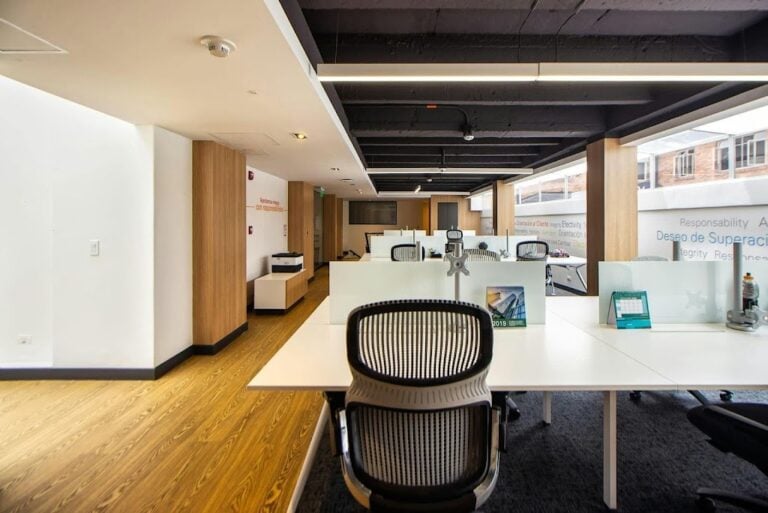
- Corporate Offices turn to them for quick rebranding or modernization projects that align with new design standards or company culture.
- Architects and Designers appreciate their versatility and technical reliability, allowing them to achieve signature aesthetics with shorter lead times.